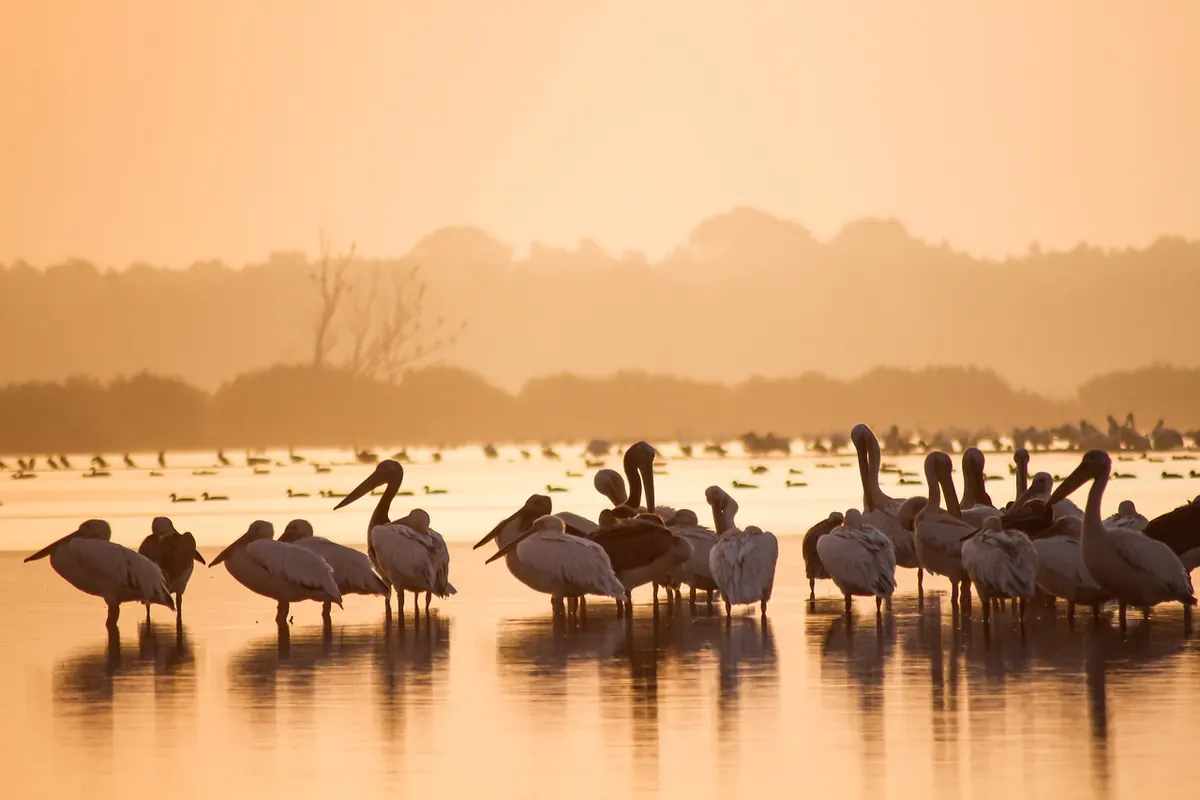
A wetland is never quite the same place twice. The pool where a bittern stood motionless in January will be chest-high with reed and loud with dragonflies by midsummer; by October that same water is full of wigeon whistling in from the north. The calendar below follows the year roughly as it unfolds at Marsh Haven. Treat the months as a guide rather than a timetable. A late cold snap can set everything back a fortnight, and a mild winter brings the first frogspawn weeks early.
January and February: The Quiet Water
Winter is the best season for reading the reserve, because the vegetation that hides everything in summer has died back and every muddy edge becomes a page of tracks. Look under the footbridge for otter spraint, dark and fishy-smelling and often full of tiny bones, and for five-toed prints about the size of a small hand. Water voles leave tidier clues: burrow entrances just above the waterline and reed stems nibbled at a neat angle, like a pencil sharpened by someone in a hurry.
On the open water, wigeon graze the wet grass in loose herds, teal dabble at the margins and shoveler spin in slow circles, filtering the surface. Snipe sit tight in wet hollows and will often let you pass within a few metres before bursting up. On still, frosty mornings from late January, listen for the deep boom of a bittern and the pinging call of bearded tits moving through the reed. Hazel catkins are out; alder catkins hang like tiny dark cones above the flooded carr.
March and April: Spawn, Song and First Green
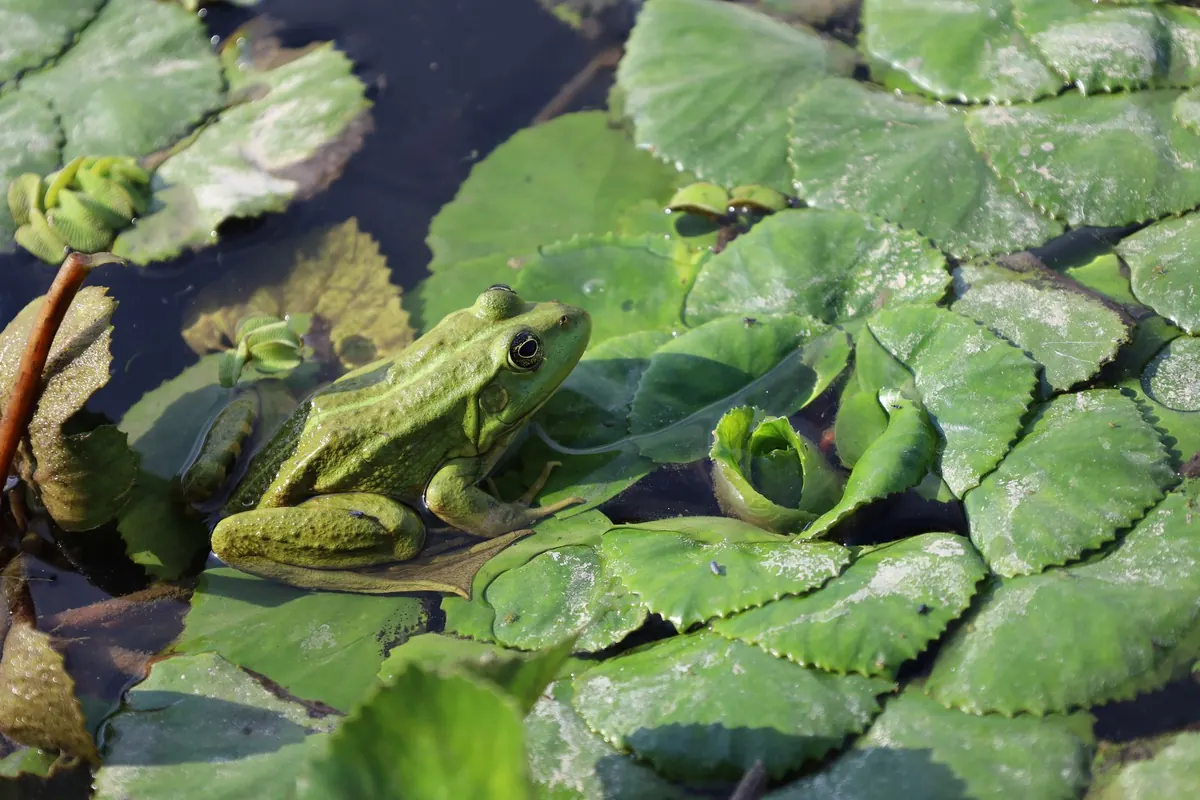
Spring arrives in the shallow water first. Frogspawn appears in jelly clumps, usually in the sunniest corner of a pond; toadspawn follows a week or two later, laid in strings wound around plant stems. The difference is a good thing to teach children, and a useful reminder that not every lump of jelly is the same animal.
Look for these signs in roughly this order:
- Frogspawn in warm shallows, and newts returning to the same ponds.
- The first chiffchaff singing from willow scrub, often before the leaves are out.
- Coltsfoot and marsh marigold in flower, with willow catkins yellowing overhead.
- Marsh harriers circling and passing food in mid-air above the reedbed.
Water rails squeal from cover, lapwings tumble over the wet fields and blackcaps arrive to join the chorus. Cold, clear dawns are your friend now: mist sits on the water, sound carries, and the reserve feels twice its size.
May and June: The Reedbed at Full Volume
Nothing on the reserve is louder than a reedbed in late May at half past four in the morning.
Reed and sedge warblers sing from the stems, Cetti's warblers fire off their sudden song from low scrub, and grasshopper warblers reel from the tussocks. Cuckoos call across the fen, and hobbies hawk over open water, snatching dragonflies in flight and eating them on the wing.
The first dragonflies emerge: hairy dragonflies in May, then four-spotted chasers and the first emperors. Banded demoiselles flutter over the dykes like dark blue leaves. Yellow flag iris opens along the banks, followed by southern marsh orchid and ragged robin in the damp meadow.
This is nesting season, so keep to the paths, keep dogs on leads near the water and skip the birdsong apps. A single burst of playback can pull a warbler away from its young at exactly the wrong moment.
July and August: Heat, Hoverers and Hedgerow Colour
Midsummer belongs to insects. Emperors patrol their stretches of dyke and see off all comers; brown hawkers hunt along the hedges; common darters warm up on fence rails and gates. Meadow browns, ringlets and gatekeepers work the bramble flowers, while purple hairstreaks stay high in the oak canopy, best seen by looking up and waiting.
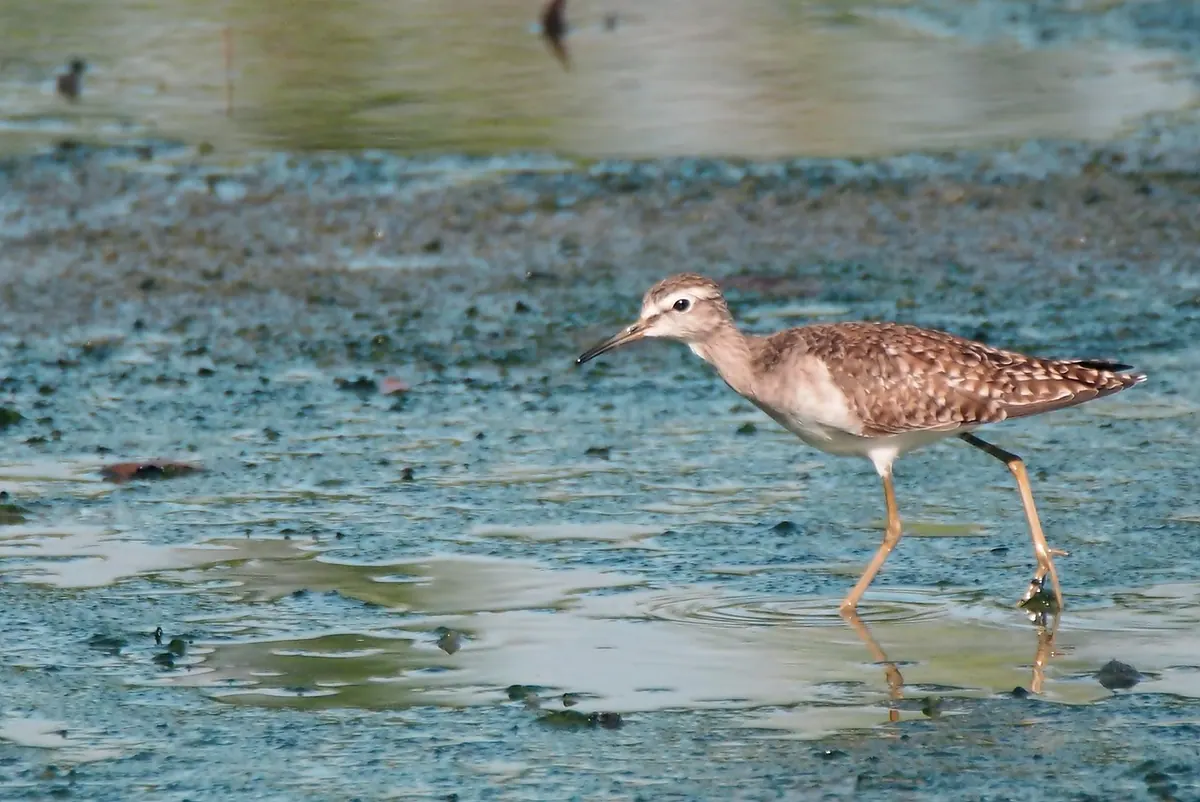
Purple loosestrife, meadowsweet and hemp agrimony bring colour to the wet margins, thick with bees and hoverflies. Grass snakes bask on tussocks and swim surprisingly well; a snake crossing the dyke is a sight worth pausing for, not a cause for alarm. At dusk, Daubenton's bats skim low over open water while pipistrelles work the hedge lines. By late July the first returning waders appear: green and common sandpipers, and the odd ruff.
September and October: Arrivals and Departures
Autumn is a handover. Swallows and martins gather in the reedbed at dusk, chattering before they leave, while wigeon and teal start to arrive from the north and whooper swans follow once the first hard frosts reach their breeding grounds. Snipe are back on the wet hollows.
On land, the hedges turn red with hawthorn, guelder rose and sloes, and the damp woodland produces brittlegills, boletes and the inevitable fly agaric. Dewy mornings show off every spider's web along the boardwalk fence. On still evenings, starlings gather over the reedbed in a murmuration before dropping in to roost. Arrive about 45 minutes before sunset and stand where you can see the whole sky.
November and December: Short Days, Big Skies
As the reeds flatten, the reserve's winter birds become easier to see. Short-eared owls quarter the rough grass at dusk, hen harriers drift in to roost, and marsh harriers gather in ones and twos over the reedbed. Redwings and fieldfares strip the hawthorn berries, and golden plover and lapwing flocks wheel over the wet fields, catching the low sun.
Water rails creep along the frozen margins and bearded tits feed low in the reed, often within a few metres of the hide. Frost and rain both record what has been moving overnight, so a slow walk at first light is rarely wasted.
Getting the Most from a Visit
Timing matters more than equipment at a wetland. If you do only one thing, make it a visit at first or last light, when the reserve is busy and the light is kind.
- Check conditions before you travel. Water levels, recent sightings and path closures all change the plan for the day.
- Sit still for fifteen minutes. Birds and mammals settle once you stop moving; that is when the good sightings usually happen.
- Match the weather to the target. Calm mornings for reedbed birds, windy days for the sheltered lee of hedges where small birds gather.
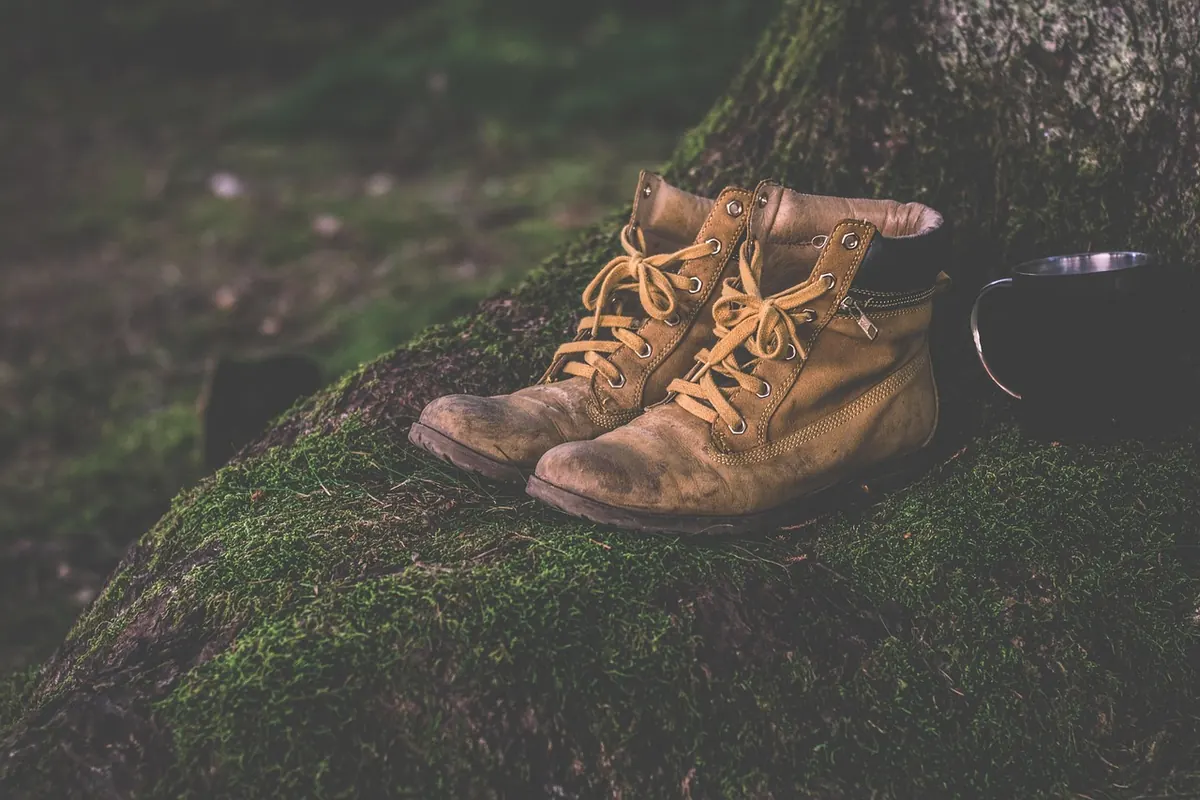
- Dress for wet ground. Wellies, a waterproof and a warm layer will keep you out longer than any lens.
- Pack light. Binoculars, a notebook for what you see and where, a flask, and midge repellent from June onwards.
- Keep to paths and keep dogs on leads. Ground-nesting birds and shy mammals need the room more than we do.
Write your sightings in the reserve log on your way out. Over a year, those notes turn a pleasant walk into a proper record of the place, and you will start to notice the small shifts that make a wetland worth returning to.
Photo: andreiprodan_ / Pixabay