A wetland sanctuary rewards patience more than any other kind of place. Stand still for ten minutes and the water starts to give things up: a moorhen threading through the reeds, a heron deciding you are not worth moving for, the small ticking of a reedbed full of hidden life. Almost everyone who visits wants to do right by it. The mistakes that cause real harm are rarely deliberate — they tend to be habits carried in from parks, beaches and country walks. Here are the ones we see most often, and the straightforward ways to avoid them.
Sound carries over water
Water and open reedbed have almost nothing to absorb noise. A conversation at normal indoor volume travels across a mere far further than you would believe, and most wetland birds know you are coming long before you see them. That is why some visits feel empty: the wildlife has already drifted to the far bank.
The fix is not silence. It is a step down.
- Talk at a murmur rather than a normal voice. If you can hear yourself echo off the water, you are too loud.
- Wave or use hand signals to point things out instead of calling across the reserve.
- Set phones to silent, not vibrate, and take calls well away from hides and viewpoints.
- Open crisp packets and sandwich wrappers inside a hide or back at the car park. That crackle travels.
- Close car doors gently and avoid slamming boots on wooden steps.
Give children a job instead of an instruction to shush: a list of birds to spot, a tally of the calls they can hear, the honour of carrying the binoculars. Families with a task are much quieter than families being told off.
Off-path walking does damage you cannot see
Reedbeds and wet grassland look far firmer than they are. From a distance a stand of reeds reads as solid ground; underfoot it is often a floating mat over deep silt. Every shortcut trampled through it compresses the vegetation and cuts a channel. A few dozen pairs of boots make a drain, and a drain pulls water out of the very habitat the reserve exists to protect.
There are nests down there too. Lapwing, redshank, snipe and many ducks lay on the ground, and their eggs are patterned to vanish. You can walk within a metre of a nest and never know. A bird flushed off eggs on a cold morning may not return in time.
Stay on the marked route even when it looks longer, and assume a closed path is closed for a reason: breeding season, erosion, or work by the wardens. On estuary sites, check the tide times before you leave the car — grazing marsh fills fast, and a route that was dry an hour ago can be knee-deep.
Feeding the ducks — the mistake almost everyone makes
Bread is the classic one, and it does birds no favours. It is poor food, it fills them up, and uneaten scraps sink and rot, feeding rats and gulls and adding nutrients to water already under pressure. Ducks and geese that learn to associate people with food lose their caution. They crowd paths, chase children and wander onto roads. A swan hissing at a pushchair is not a swan problem.
Hand-feeding also concentrates birds in one spot, which makes it easier for disease to pass between them, and it changes behaviour in ways wardens then have to manage.
So watch, don't feed. If the reserve sells approved food for a specific pond, use only that, only there. Do not tip out a bag of anything — including seeds — anywhere else. And resist the urge to "rescue" a lone duckling or cygnet; a parent is usually nearby and watching you. Tell a warden if you are genuinely worried.
Getting too close for the photograph
There is a particular trap for anyone with a camera: the closer you get, the better the picture looks, right up to the moment the bird leaves. Flushing a bird is not simply a missed shot. In winter it burns energy the bird cannot easily replace; in spring it can end a nesting attempt outright.
- Use a hide or the viewing slots provided, and stay behind them.
- Turn the flash off. It does not improve the shot and it is startling at close range.
- Skip recorded calls played back to lure birds in. If you want to hear a bittern boom, wait like everyone else.
- Leave drones at home. Many reserves do not permit them, and they disturb far more than the one bird you are filming.
- Avoid posting exact locations of rare nesting birds on social media.
In the UK, some wetland species have extra legal protection around their nests, so disturbance is not only discourteous. If a bird stops what it is doing to watch you, you are already too close. Back off and stand still.
Dogs, gates and other small practicalities
Many reserves welcome dogs on short leads in some areas and not at all in others, and the rules are rarely uniform — the core wetland may be closed to dogs while the perimeter path is not. Check before you travel rather than discovering it at the gate, and assume your dog will find the one ground-nesting bird on site. If you bag dog mess, take the bag with you; leaving it hanging on a fence is worse than leaving it on the ground.
Hide etiquette
Hides are shared, small and often full of people watching something specific. Sit rather than stand in the middle, use one viewing slot, and open and close shutters gently. Come in quietly, keep the door shut behind you, and leave things as you found them. If the person beside you is watching a kingfisher, resist the urge to announce it loudly.
Reading a sanctuary like a habitat, not a park
Reserves are not manicured. Grass is left long, dead wood is left standing, water levels are managed for wildlife rather than for views, and there may be no bins at all. Take everything home, including apple cores, banana skins and crumbs — "biodegradable" litter still pulls in rats and gulls. Leave fallen logs and flowers alone; seed heads feed birds through the winter.
Give the place time, too. Twenty quiet minutes at one hide beats a hurried circuit of the whole site. Wetland wildlife does not perform on cue, and half the pleasure lies in noticing how much is going on once you stop moving.
Before you set off
- Check opening times, seasonal closures and dog rules before travelling.
- Check tide times if the site sits on an estuary or grazing marsh.
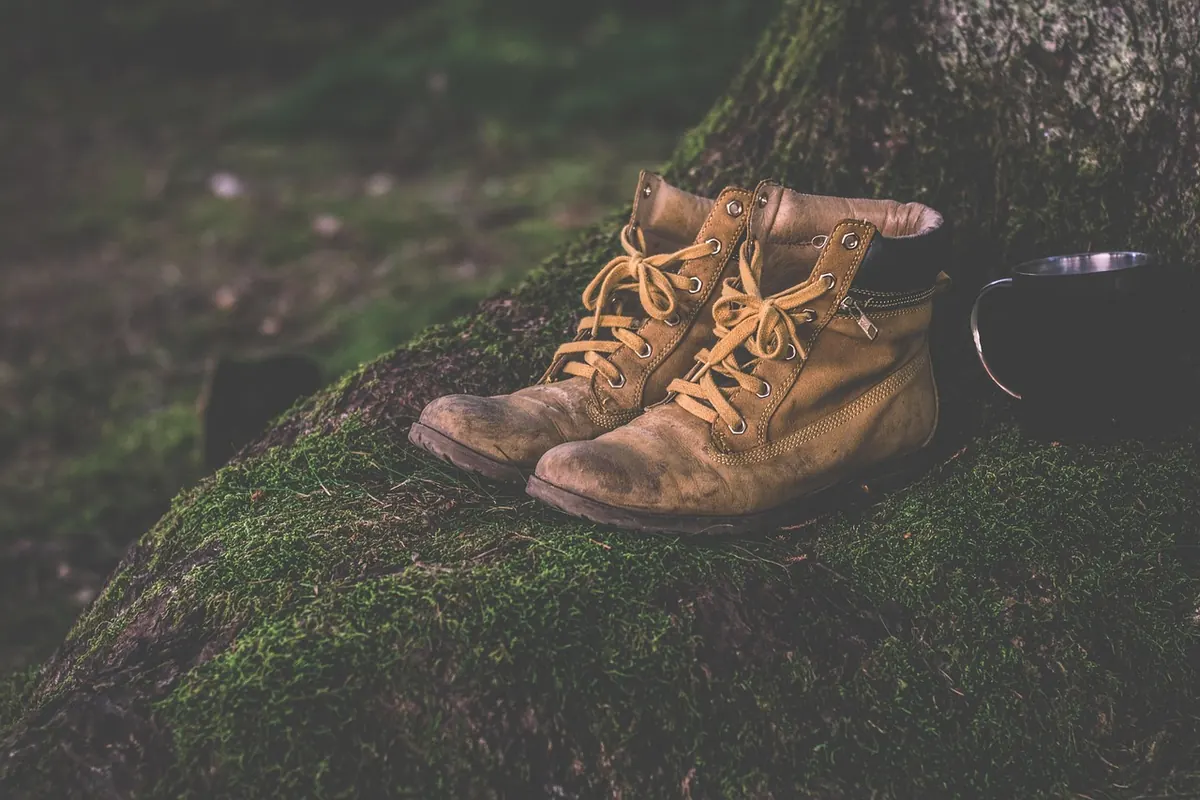
- Wear wellies or sturdy boots, and take a waterproof.
- Pack binoculars, a refillable bottle and midge repellent in summer.
- Silence your phone, and bring headphones for anyone who needs them.
- Read the notices at the entrance — site-specific rules beat general advice every time.
And ask. Wardens and volunteers know where the water runs deep, which hide is quiet at which hour and what has been seen this week. They would far rather answer a question than clear up after a mistake. If you find an injured bird, a blocked route or something that does not look right, tell the site team rather than handling it yourself — wildlife casualties need expert care, and well-meant intervention often causes more harm than good. If you are ever unsure whether a situation is safe for you or for the wildlife, it is entirely fine to step back and let someone with the right training take over.
Photo: vinsky2002 / Pixabay